

Introduction Shader programming makes it possible to create stunning real-time visuals directly on the GPU. But powerful visuals come with a cost. As shaders become more complex, performance can quickly drop due to: heavy calculations excessive loops expensive lighting large particle systems and high-resolution rendering. Optimization is the process of improving shader efficiency while maintaining...
Tag: audio reactive
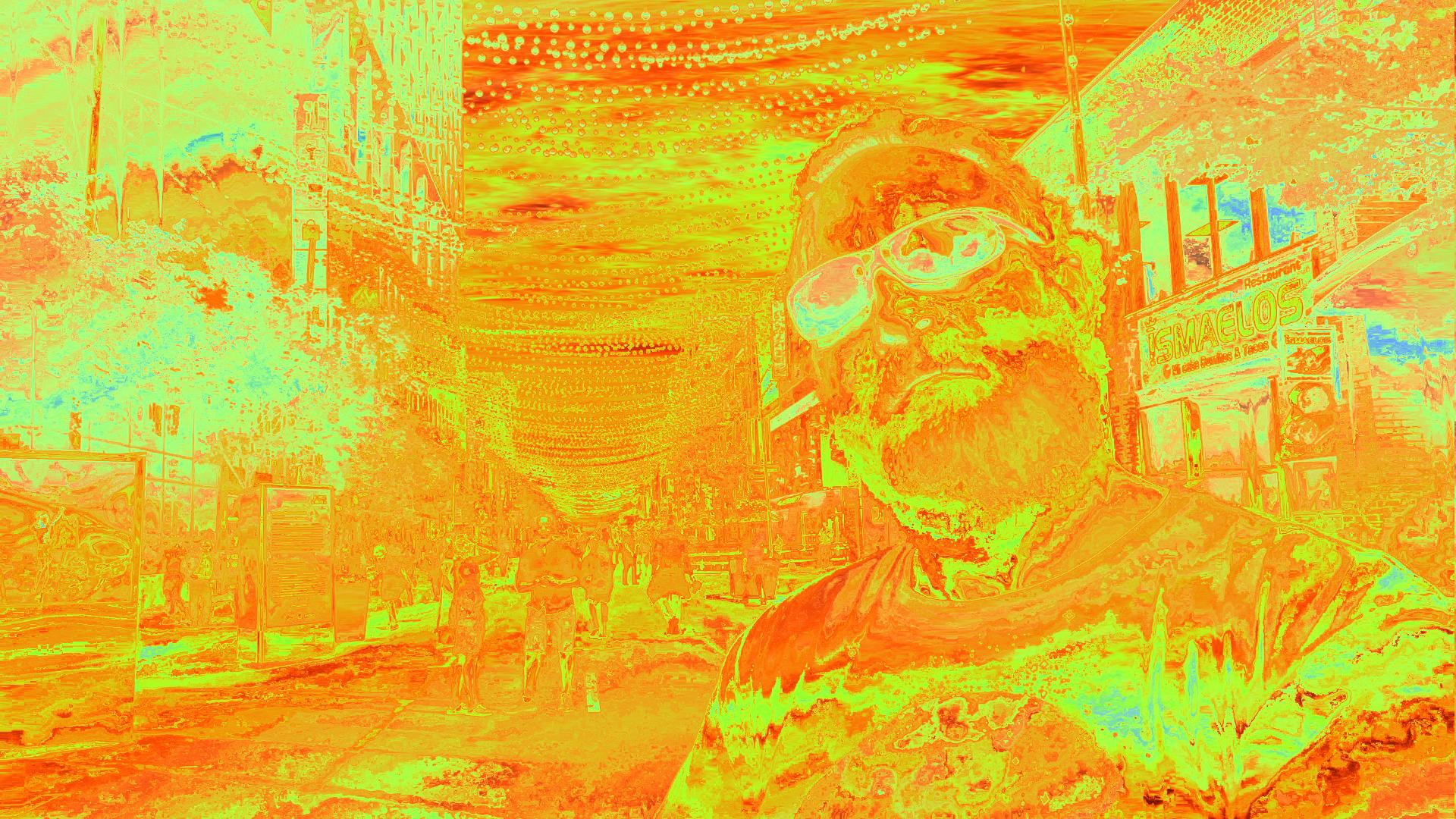
How Shader Feedback Effects Work
Introduction Shader feedback is one of the most powerful techniques in real-time graphics. It allows shaders to: remember previous frames accumulate motion smear visuals create trails generate echoes and build complex evolving effects over time. Feedback systems are heavily used in: psychedelic visuals music visualizers fluid simulations glitch effects generative art and experimental shader systems....

Understanding UV Coordinates in GLSL
Introduction UV coordinates are one of the most important concepts in shader programming. Almost every GLSL shader relies on UV coordinates for: positioning animation textures distortion procedural patterns and screen-space effects. If you understand UV coordinates well, shader programming becomes dramatically easier. And once the concept “clicks,” you begin to see how shaders build entire...

How Audio Reactive Shaders Work
Introduction Audio reactive shaders are visual programs that respond dynamically to sound in real time. Instead of displaying static graphics, these shaders use audio data to: animate visuals pulse with music trigger effects distort geometry generate particles and create immersive audiovisual experiences. They are commonly used in: live concert visuals VJ performances music visualizers interactive...

Beginner’s Guide to GLSL Shaders
What Is GLSL? GLSL (OpenGL Shading Language) is a programming language used to create graphics effects directly on the GPU. Shaders written in GLSL are responsible for rendering: lighting colors textures visual effects procedural animation generative art and real-time interactive graphics Modern shaders power everything from: video games motion graphics live concert visuals interactive websites...