
The History of Computer Animation
From oscilloscopes and vector displays to Pixar, real-time graphics, GPU shaders, and AI-assisted animation.
Computer animation evolved from simple mathematical experiments into one of the most powerful artistic and technological mediums in modern history. Today it powers films, games, simulations, music visuals, scientific visualization, virtual production, and real-time interactive art — including GLSL shader systems like the ones used in BLOKS.
The Earliest Foundations
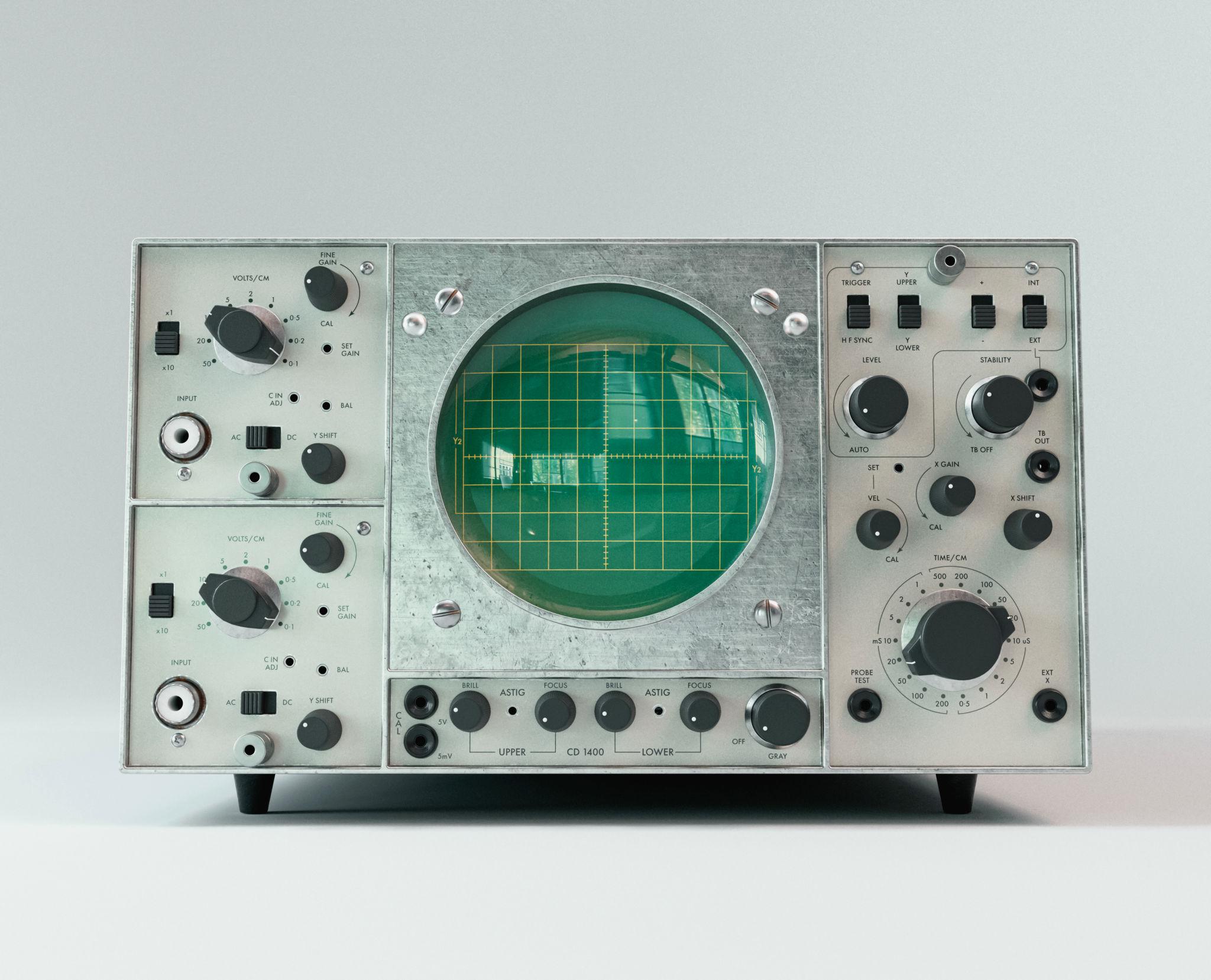
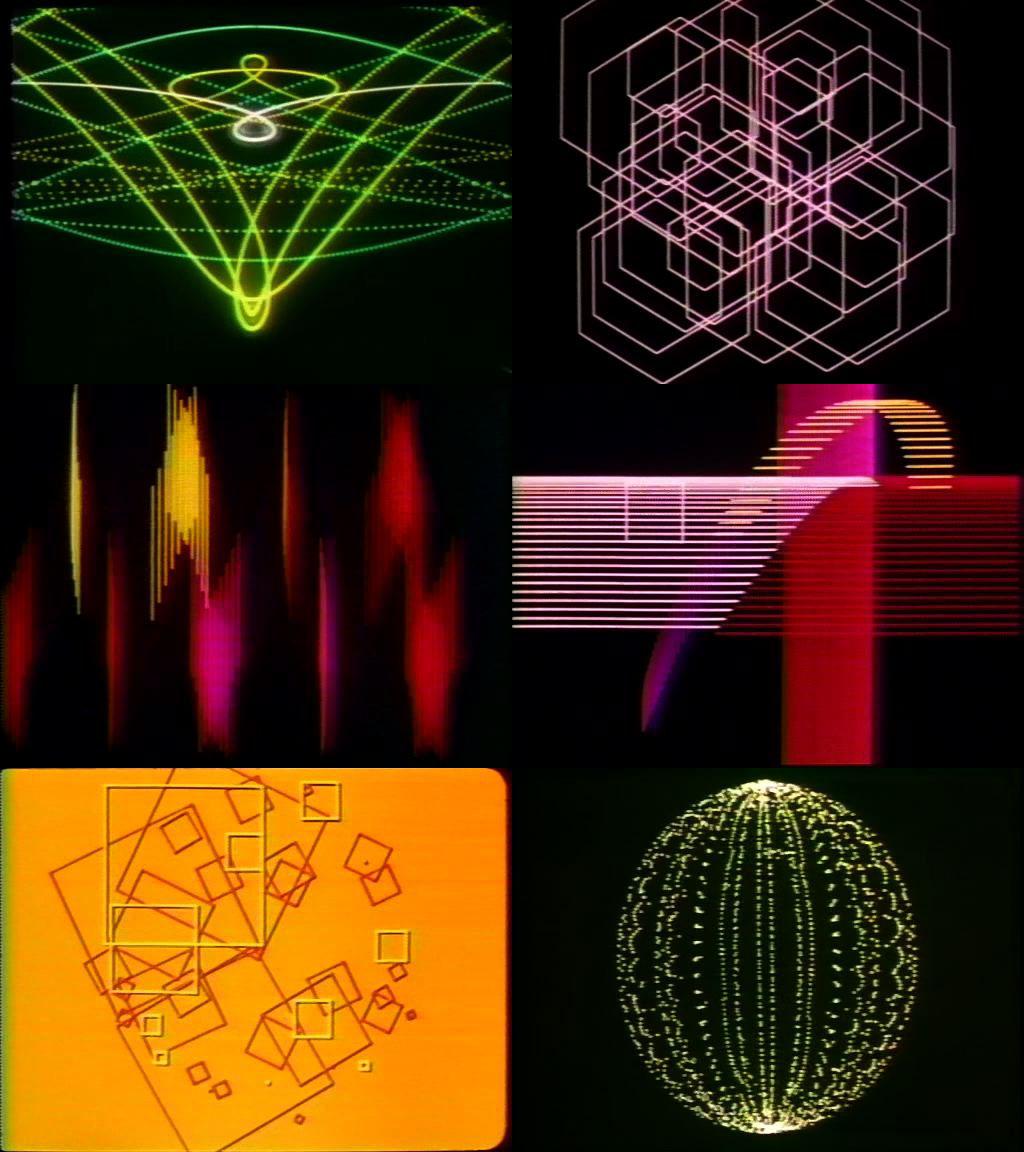
Before digital graphics existed, mathematicians and engineers experimented with oscilloscopes, analog computers, and vector displays.
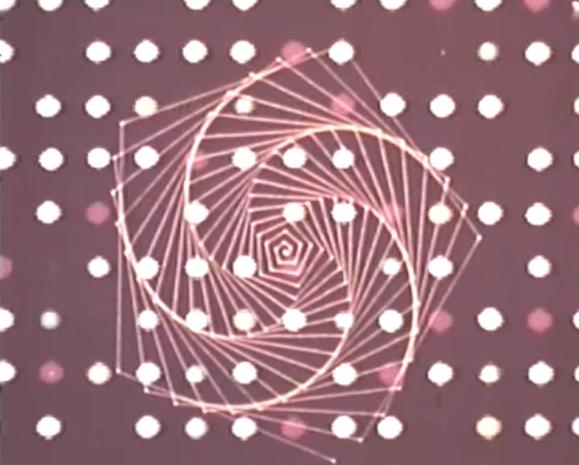
John Whitney, often called the father of computer animation, used military surplus analog machinery to create hypnotic geometric motion graphics in the 1950s and 60s. These early experiments helped shape the visual language that would later influence audio visualizers, motion graphics, and computer-generated art.
- Graphics were mostly vector-based.
- Motion was mathematically generated.
- Rendering was extremely limited.
- Animation often required hours or days of computation.
The Rise of Digital Graphics
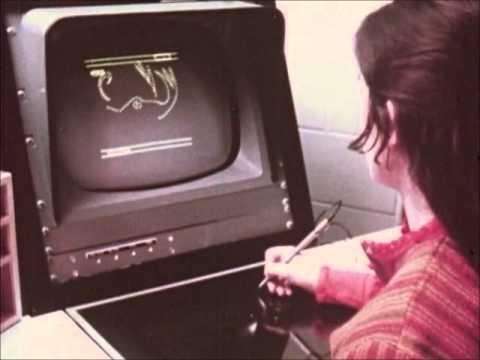
In the 1960s, researchers began developing interactive computer graphics systems.
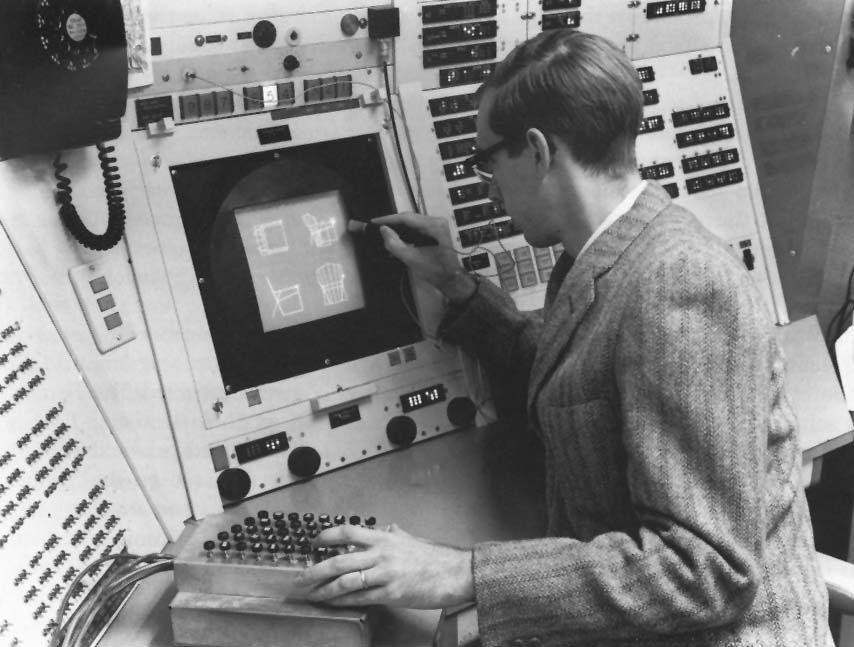
Ivan Sutherland’s Sketchpad introduced concepts that still influence graphics software today, including GUI interaction, object manipulation, real-time drawing, and hierarchical graphics systems.
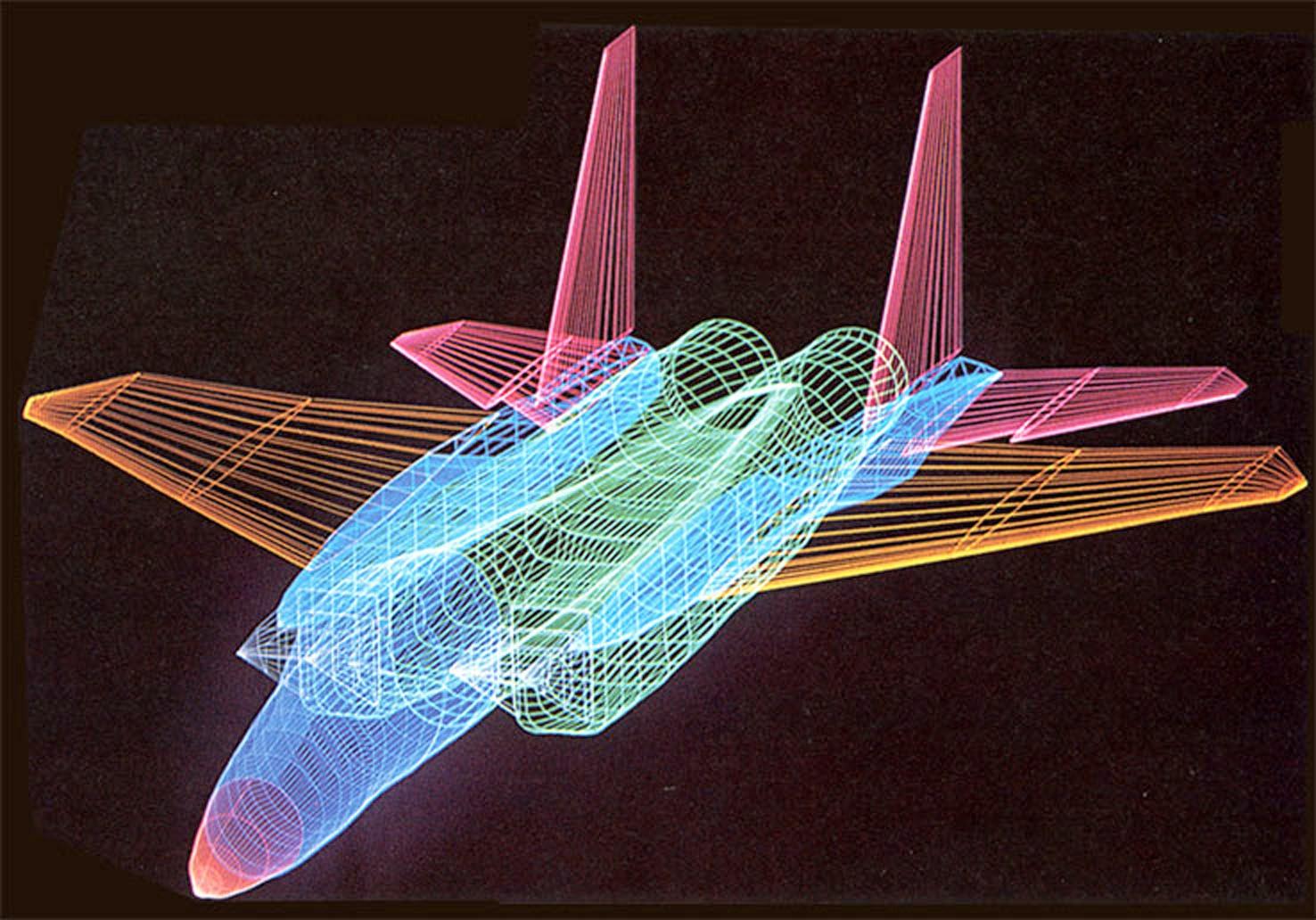
During this period, universities and research labs explored wireframe rendering, hidden surface removal, polygon mathematics, and early shading models — ideas that eventually evolved into the modern graphics pipeline.
CGI Enters Hollywood
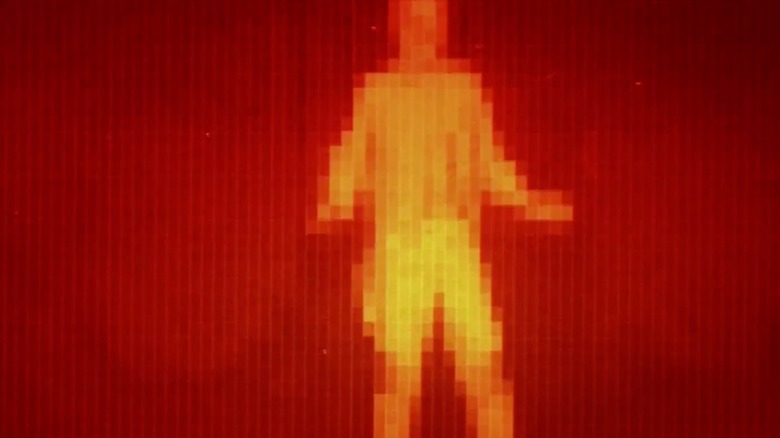
The late 1970s and early 80s marked the transition from research experiments to cinematic visual effects.
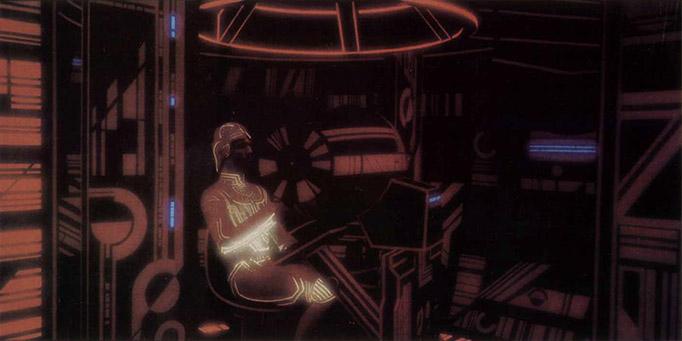
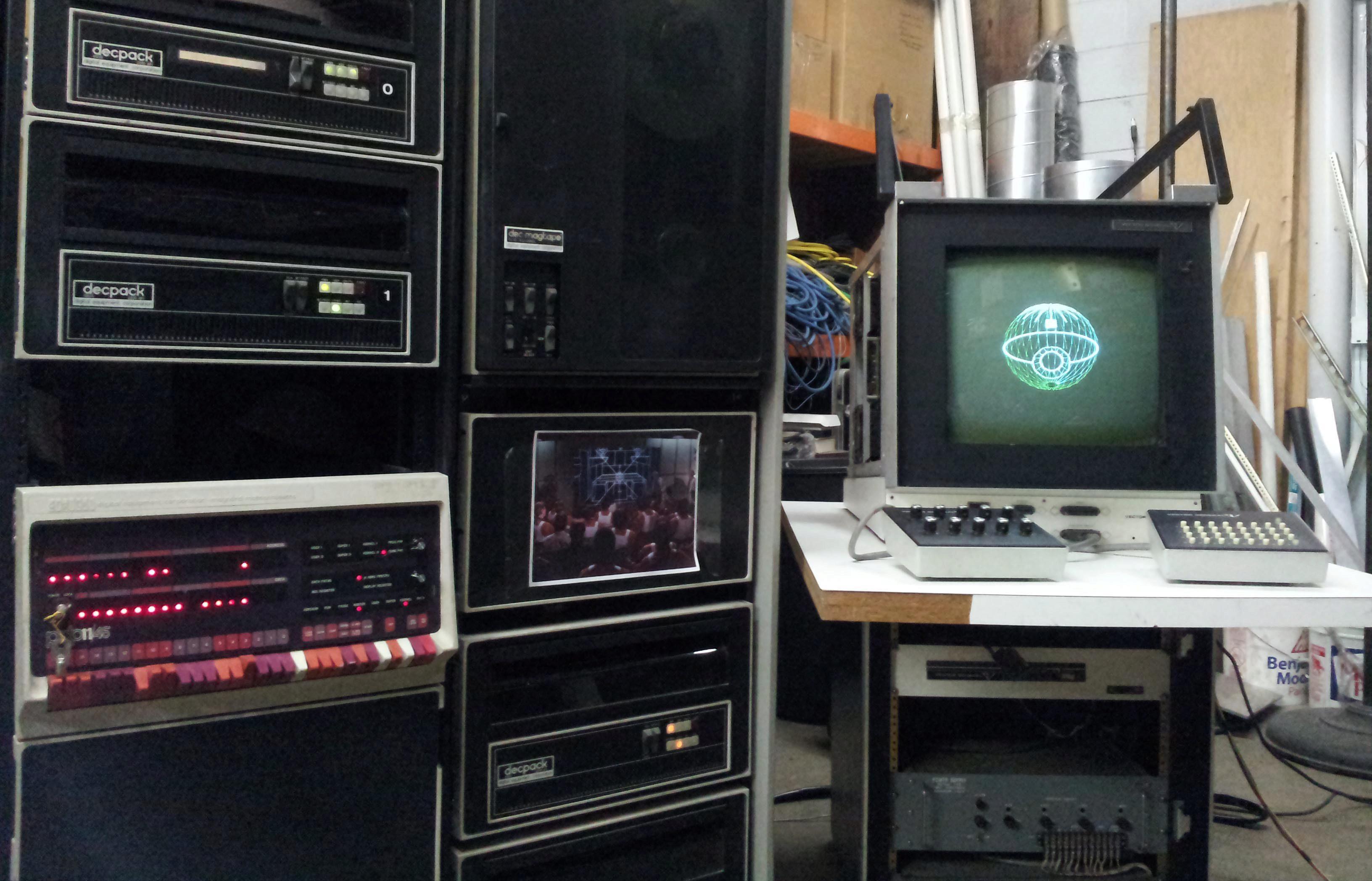
Films like Star Wars, Tron, and The Last Starfighter pushed computer graphics into mainstream awareness, helping prepare audiences for the rise of shader art and digital visual culture.
- Raster graphics became more common.
- 3D polygon rendering advanced rapidly.
- Motion control cameras merged with digital effects.
- CGI became commercially viable.
The Pixar Revolution
Pixar transformed computer animation from a technical novelty into an emotional storytelling medium.
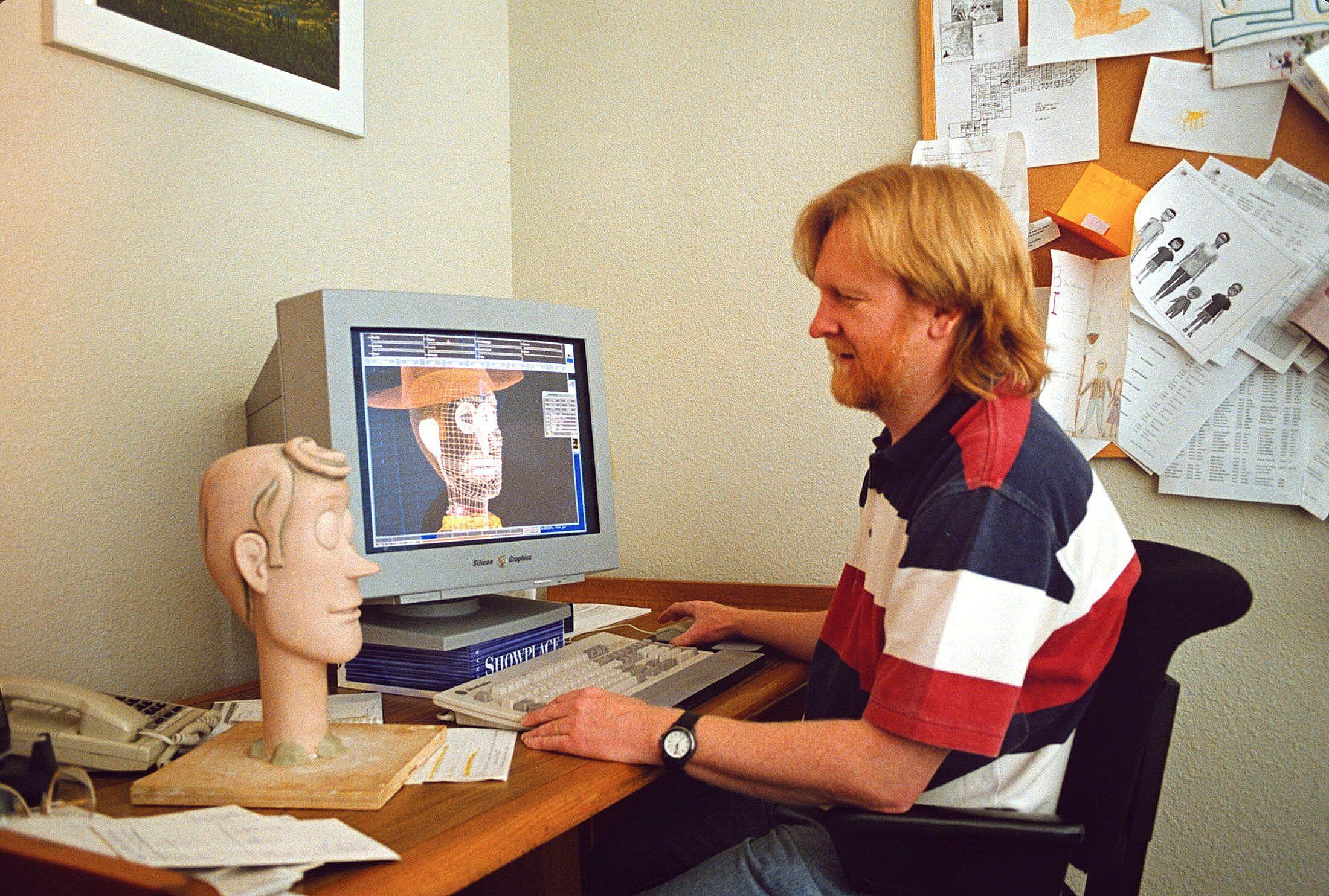
Short films like Luxo Jr. and Tin Toy proved that digital characters could feel expressive and alive.
Then came Toy Story, the world’s first fully computer-animated feature film.
- Advanced rendering pipelines matured.
- Texture mapping became more sophisticated.
- Character rigging systems evolved.
- Digital cinematography workflows expanded.
Real-Time Graphics & Video Games
As hardware accelerated, computer animation expanded beyond pre-rendered films.
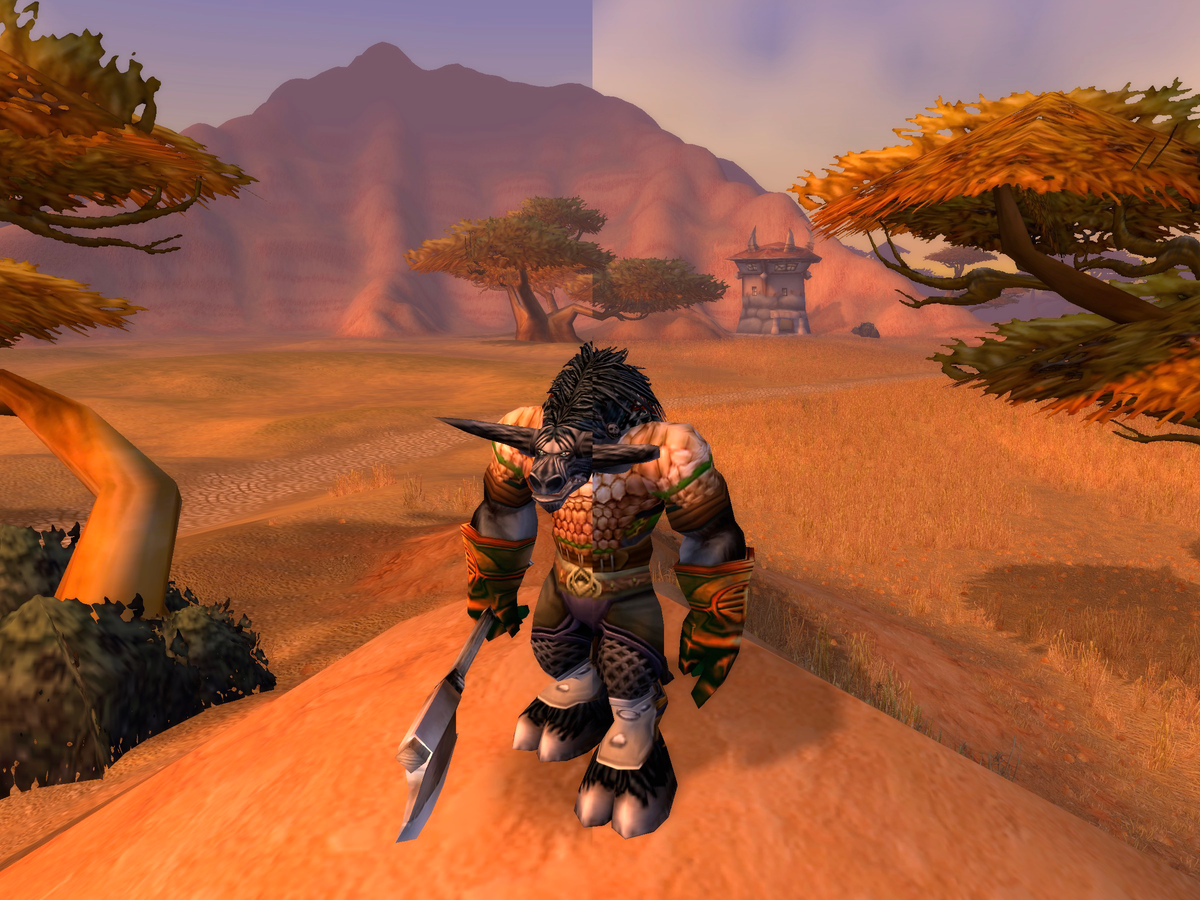
Gaming companies and GPU manufacturers drove rapid innovation in real-time rendering, texture streaming, skeletal animation, particle systems, and physics simulation.
The emergence of OpenGL and DirectX helped define the programmable graphics pipeline and laid the groundwork for GLSL, fragment shaders, procedural GPU graphics, and real-time audiovisual art.
The Shader Era
Modern GPUs transformed graphics from fixed pipelines into massively parallel programmable systems.
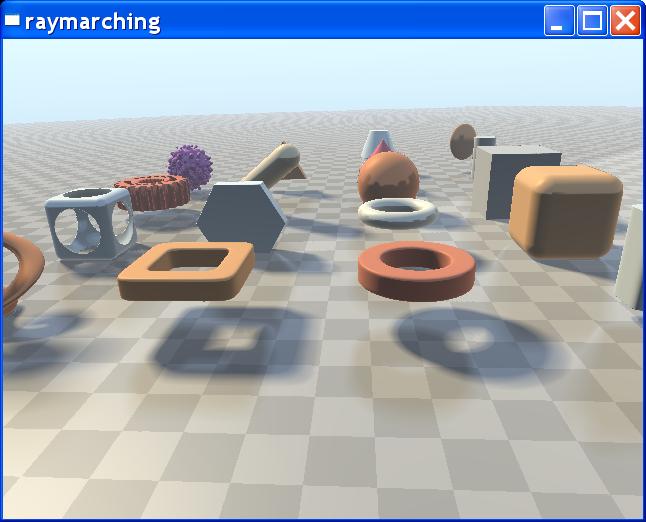
Shader languages such as GLSL, HLSL, Metal, and WGSL allowed artists and developers to directly program the GPU. This opened the door to modern procedural graphics, generative visuals, and platforms like Shadertoy.
- Raymarching
- Procedural generation
- Fractals
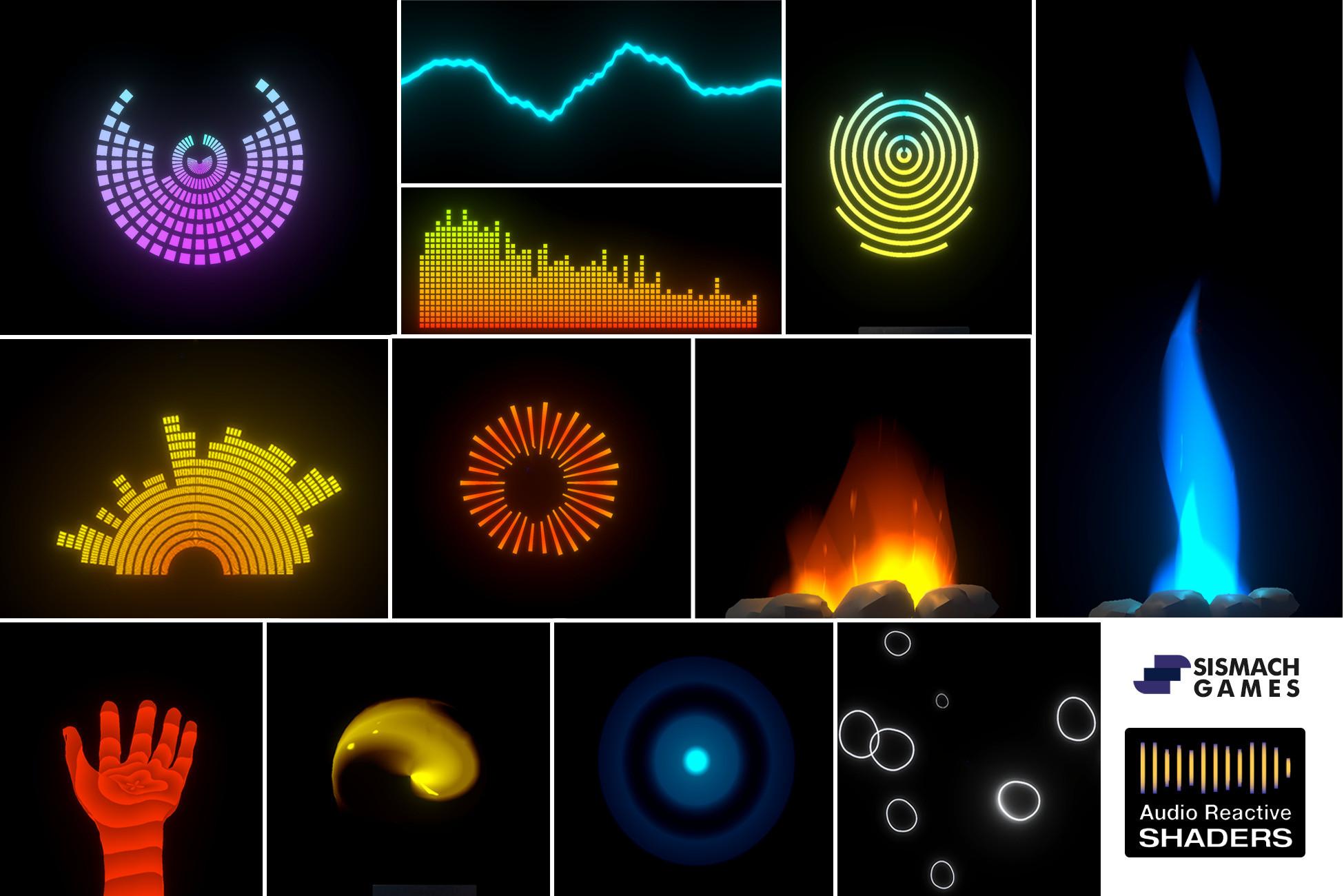
- Audio-reactive visuals
- Real-time post-processing
- GPU simulations
Modern Computer Animation
Today computer animation exists across nearly every industry, from entertainment and science to architecture, aerospace, VR, AR, real-time engines, generative systems, and live audiovisual performance.
AI-assisted animation now supports frame interpolation, motion generation, video synthesis, rotoscoping, rigging, and compositing. At the same time, artists continue exploring real-time graphics through interactive shader tools, GPU experiments, and live-coded visual systems.

Why Computer Animation Matters
Computer animation is more than visual effects. It represents mathematics becoming art, code becoming motion, and abstraction becoming experience.
From oscilloscopes to cinematic universes, from wireframes to real-time raymarching, computer animation has become one of humanity’s most powerful creative tools.